The Unwelcome Note: A Somerset Trade Standard for Receiving a Complaint Well

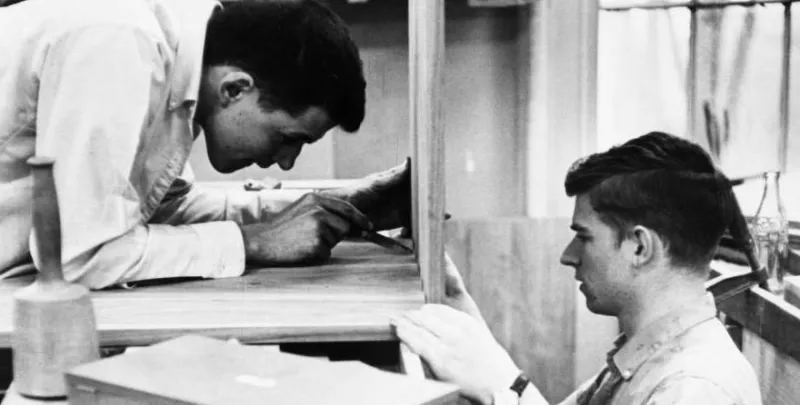
Photo: Somerset carpenter discussing finished work with customer in workshop, via c8.alamy.com
A complaint is rarely welcome, but it is rarely worthless. In a county where work travels by word of mouth and a recommendation can pass from a farm kitchen to a builder's merchant in a single morning, the way a trade receives an unwelcome note matters as much as the quality of the work that prompted it. A customer who takes the trouble to tell you that something has gone wrong is still offering you a chance to put it right. The trade that receives that chance well may keep the customer, the reputation and, in time, the referral. The trade that answers quickly and defensively may win the argument and lose the street.
For Somerset Guild members, complaint handling is not an administrative afterthought. It is part of the trade standard: a process that protects the customer, the workshop and the wider network of local suppliers and subcontractors who depend on settled relations. Perfection is not the promise. A fair and visible process is.
Receive before you reply
The first response should not be a full defence. It should be an acknowledgement. Aim to reply within one working day, even if the reply is only to say that the matter has been received and will be looked into. Name a time by which the customer will hear more. Avoid diagnosing the fault on the telephone from memory. A calm sentence is usually enough: thank the customer for raising the matter, express regret that the work has not met expectations, and state when a fuller answer will follow.
That is not an admission of liability. It is an admission of concern. The distinction matters. Customers who feel ignored tend to escalate; customers who feel heard tend to wait. In a rural county, escalation rarely stays private. It surfaces at the school gate, in the parish newsletter or in a review that outlives the job itself.
Establish the facts in one place
Before deciding what should happen, decide what is known. Record the date, the site, the agreed scope, the materials used, who was present and what has been reported. Ask the customer for their account in writing if they have not already given it. Photographs are useful, but they should be dated and described. A site visit is often better than a long exchange of messages, particularly where the issue concerns finish, fit or the behaviour of a material in a Somerset building.
Keep the record factual. Separate what was seen from what was assumed. Many disputes are small in money but large in feeling because the parties know one another, or because a delay has upset a household routine. A short written summary of the complaint, sent to the customer for confirmation, prevents the scope of the disagreement from quietly expanding.
Separate remedy from blame
Once the facts are clear, decide what remedy is proportionate. Rework, replacement, a partial credit, a return visit or an independent inspection may each be appropriate. Refer to the terms agreed at booking, but do not use terms as a shield against plain dealing. If the fault is yours, own it plainly and say what you will do. If the fault is not yours, explain the position with evidence and without heat. If you offer a goodwill gesture, describe it as goodwill rather than disguising it as a discount or an admission. Customers recognise fog when they see it.
Where several remedies are possible, offer options. A choice gives the customer a measure of control and often shortens the exchange. Set out the likely timetable and any cost before work begins. Confirm who will attend, what they will do and what completion will look like.
Put the remedy in writing
A simple written note protects both sides. It should state what was reported, what was agreed, who will do what, by when, at what cost and how completion will be confirmed. An email is sufficient. The point is not legal theatre; it is certainty. A customer who can see the plan is less likely to worry that the matter has been forgotten, and a trade is less likely to be asked for work beyond the agreed remedy.
When the remedy is complete, follow up. Ask whether the customer is satisfied with the resolution, not merely whether the work has been done. If they are, thank them. If they are not, return to the facts and the agreed scope rather than reopening the whole job in argument.
Close the loop, then invite the next job
A referral is not a reward for a perfect job. It is often the result of a difficult job handled well. Once the complaint is resolved, a trade may ask whether the customer would be willing to stay in contact, or whether they would be content for an anonymised lesson from the case to be used in training. That request should be modest and separate from the remedy. It should never be made as a condition of putting things right.
If the customer remains unhappy after a fair process, end the exchange civilly. Record the outcome. Do not pursue the last word. The aim is not to win every dispute; it is to be known as a trade that deals honestly when things go wrong.
Learn in the workshop
A complaint should leave a mark on the system, not only on the reputation. Review complaints at month end for patterns: estimating, communication, scheduling, site protection, cleanliness or the handling of client-supplied materials. Update quote templates, checklists and booking conditions where the same issue recurs. A guild standard is not a guarantee of perfection. It is a promise of process, and a process that does not learn is merely paperwork.
A short standard for the van
- Acknowledge a complaint within one working day.
- Record the facts before forming opinions.
- Offer a proportionate remedy within five working days.
- Confirm the remedy and timetable in writing.
- Follow up after completion, not only after payment.
- Review complaints monthly and change one thing that caused them.
Handled in that order, a complaint can become a reference point for good practice. The customer's gripe is not a gift in the sentimental sense. It is a gift of information, given at a cost. Somerset trade is built on repeat custom and local trust; the unwelcome note, answered well, is one of the ways that trust is repaired and passed on.