Before the Indenture: A Somerset Employer's Apprenticeship Readiness Audit for 2026

Photo: apprentice carpenter working with mentor in UK workshop, via n.sinaimg.cn
Taking on an apprentice is rarely a paperwork exercise first. In Somerset's smaller workshops it usually begins with a practical problem: a joiner needs another pair of hands, a stonemason has more repair work than one diary can hold, or a land-based engineer cannot keep pace with servicing. The apprentice question follows. But an apprenticeship is a training contract as well as a job, and the employers who get it right tend to ask the awkward questions before the handshake, not after.
The Somerset Guild's member firms include workshops of one, three and thirty people. Their experience is consistent on one point: a good apprenticeship is planned around the training, not bolted onto the busy season. The nine questions below are designed as a readiness audit for owners and managers considering their first or next apprentice in 2026.
1. What is the training plan, and who delivers it?
An apprenticeship standard should be more than a job title with a college day attached. Employers should be able to explain what the apprentice will learn in the workshop, what will be taught off the job, and how the two connect. College day release is part of the picture, but it is not the whole plan. A Bridgwater engineering member describes the useful test as simple: can the owner draw a line from a workshop task to a unit of the standard without reaching for the paperwork? If not, the training provider should help tighten the plan before recruitment begins.
2. Who will mentor, and what time is ring-fenced?
Every apprentice needs a named mentor who is not simply the busiest person on the floor. Mentoring takes time: demonstration, supervised practice, correction and review. For a small firm, that time has to be protected in the diary, especially in the first three months. One member workshop near Castle Cary sets aside a fixed hour each Friday for apprentice review and tool maintenance. It is not a grand gesture, but it prevents the training from being squeezed out by urgent customer work.
3. How will tools, PPE and travel be funded?
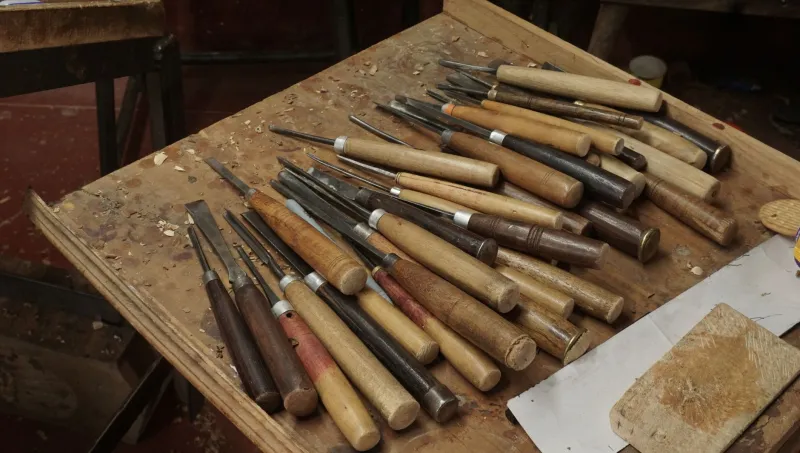
Tool costs are easy to underestimate. Some trades require a basic kit from day one; others build up over time. Employers should decide what the business supplies, what the apprentice is expected to provide, and how that expectation is communicated before the offer is made. Personal protective equipment, suitable clothing and travel to college all need a line in the budget. The apprentice wage is only one part of the cost of doing the job properly.
4. What does safeguarding look like in this workplace?
Many apprentices are young people, and some are vulnerable adults. Safeguarding is not a form to file and forget. It means considering lone working, site visits, supervision arrangements, inappropriate behaviour and the route for raising a concern. A small workshop can still have a clear safeguarding policy and a named contact. The training provider will usually expect this, and the employer should be able to explain it in plain terms.
5. Is there a trial period, and what are the review points?
A trial period is not a way to avoid commitment. It is a structured chance for both sides to check that the placement is right. Employers should set review points at, say, four weeks, twelve weeks and the end of the first term. Each review should ask whether the training is happening, whether the apprentice is settling, and whether the workshop can sustain the support. If the answer is no, the earlier that is addressed, the better for everyone.
6. Which paperwork keeps training on track?
At minimum, the employer should understand the apprenticeship agreement, the commitment statement, the training plan and the arrangements for end-point assessment. The provider will lead on much of this, but the employer remains responsible for the workplace experience. A simple training file, reviewed monthly, is more useful than a folder that is opened only at audit. The Guild's advice is to ask the provider to walk through the documents before signing, not after the apprentice starts.
7. Can the workshop support the standard, not just the job?
Some businesses can offer a narrow but busy role. An apprenticeship standard may require broader experience: different materials, customer-facing work, fault-finding or documentation. Employers should check that the workshop can provide the range of tasks the standard expects. If it cannot, the provider may suggest a different standard or a different start date. It is better to wait a term than to place an apprentice in a role that cannot deliver the training.
8. What happens when college days clash with workflow?
Day release is a fixed commitment, not a movable feast. The busiest weeks will sometimes collide with college attendance. Employers should decide in advance how the work will be covered, rather than asking the apprentice to choose between training and a deadline. A Yeovil member firm uses a simple wall planner that shows college days, assessment deadlines and known seasonal peaks. It is low-tech, but it prevents avoidable conflict.
9. How will progress be measured, and what is the exit route?
A good apprenticeship has an end point in view from the beginning. Employers should know what successful completion looks like, what the end-point assessment involves, and whether there is a realistic job at the end. They should also be honest about what happens if the apprenticeship does not work out. Clear reviews, written records and early conversations are not signs of a failed placement; they are signs of a managed one.
The audit before the advert
For Somerset employers, the strongest apprenticeship programmes are not necessarily the largest. They are the ones where the owner has answered these questions before writing the advert. The Guild encourages member firms to use this audit as a internal checklist, then discuss it with their chosen training provider. An apprenticeship should bring new skill into the workshop and new confidence into the trade. That starts with a clear-eyed look at what the business can genuinely offer, and what it will need to put in.