Stone, Slate and Second Life: Buying Reclaimed Materials in Somerset

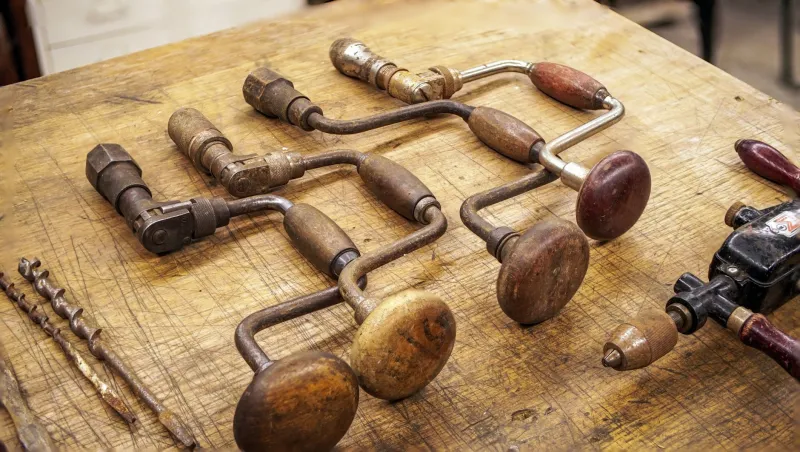
Photo: Internet Archive Book Images, No restrictions, via Wikimedia Commons
Reclaimed material has moved from the margins of Somerset building work to the centre of many sensible procurement plans. An oak beam from a collapsing barn near Wiveliscombe, a pallet of slate from a re-roofing project outside Wells, or a run of brick from a demolition in Bridgwater can give a new building a local accent that no catalogue product can match. Yet salvage is not a free-for-all. Buying well requires permissions, judgement, storage and an honest approach to pricing. For guild members, it is also a practical way to keep value circulating in the county and to sustain the craft skills that turn old material into sound work.
Begin with permission, not price
A skip outside a renovation site is not an invitation. Before any material is moved, the buyer or contractor should establish who owns it and obtain written permission from the landowner, principal contractor or demolition firm. Salvage from a listed building may require listed building consent, and demolition or alteration works may be governed by planning conditions. Where there is doubt, the conservation officer at the local planning authority should be consulted before material leaves the site. The same applies to material that is being removed as waste: duty-of-care rules, waste transfer notes and licensed carriers are not administrative decorations. A reputable salvage dealer will be able to explain the provenance of stock and, where relevant, the permits under which it was acquired. Trades should also consider asbestos, lead paint, dust and manual handling before dismantling anything. The cheapest material is expensive if it brings a legal or safety problem onto the bench.
Judge the material, not the story
Provenance is useful, but condition is decisive. Reclaimed timber should be assessed for species, moisture content, rot, insect attack and embedded metal. Old oak may be beautiful and still unsuitable for a structural position without an engineer's assessment. Stone should be checked for type, dimensions, weathering, salt contamination and frost resistance; a pretty face can hide a failing bed. Slate needs grading by thickness, size, holes and delamination, and it should be bought in sufficient quantity to allow for breakage and sorting. Reclaimed iron and steel require close inspection for corrosion, cracks and previous repairs, and structural re-use should never be assumed from appearance alone. A photograph is not a survey. Buyers should ask for quantities, dimensions, grades and any known history, and they should inspect in person where the value justifies it. The guild's local procurement principle applies here as elsewhere: a written description and a clear price are better than a romantic story.
Store it as though it matters
Salvage deteriorates quickly when it is treated as a heap. Timber should be kept under cover, off the ground and well ventilated, with stickers between boards and ends protected from rapid drying. A moisture meter is a basic tool, not a luxury. Stone should be palletised and kept clean; slate should be stored on edge in crates rather than stacked flat under pressure. Ironwork should be kept dry and separated from damp masonry. Labels, delivery notes and receipts should be retained so that material can be matched to a client's specification and, if necessary, to an invoice. Security matters too: reclaimed material has a market, and an unsecured yard is an invitation to loss. Good storage is part of the price, and customers should be told when storage or double handling is included.
Price honestly and explain the work
Reclaimed is not automatically cheap. Cleaning, de-nailing, sorting, grading, transport and wastage all carry a cost, and the time spent finding the right match is real work. A fair quote separates material from labour and states the grade, quantity and known imperfections. Trades should avoid selling reclaimed stock as though it were new, and they should avoid hiding repairs behind a coat of finish. Under consumer law, goods must be as described and of satisfactory quality; a phrase such as sold as seen does not override those rights. For business customers, clear written terms should set out what is being supplied, what is excluded and what guarantee, if any, applies. Honest pricing also means explaining why a reclaimed lintel may cost more than a new one: character, provenance, labour and the risk carried in matching an old building. Customers accept that when it is explained plainly.
Make salvage a local procurement habit
The strongest case for reclaimed material is not nostalgia. It is resource efficiency, local character and craft. Every beam reused is a beam not landfilled, and every slate sorted is a small vote for the stonemasons, sawmills, joiners and blacksmiths who know how to work with it. Somerset has a long tradition of making do well, and the county's renovation sites, farm sales and salvage yards remain a useful supply chain for trades willing to build relationships. Keep a want list, visit yards regularly, and talk to demolition contractors before a building comes down. The best material often arrives before it is advertised. With the 2026 season drawing to a close, it is a good moment to review how salvage is bought, stored and priced. Reclaimed materials reward preparation, and well-prepared trades are exactly what a guild should promote.