Before the Frost: Commissioning Heritage Repairs in Somerset for Winter 2026
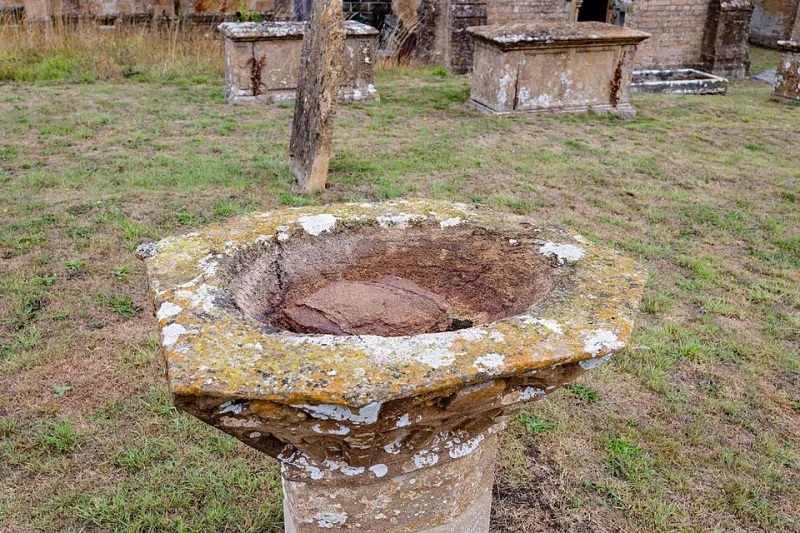
Photo: Tilman2007, CC BY-SA 4.0, via Wikimedia Commons
Winter in Somerset does not arrive all at once. It begins with a run of grey days, full gutters and water finding the path of least resistance through old stone. For owners of listed and pre-1919 buildings, the weeks before the first hard frost are the most useful in the repair calendar. Decisions taken now will determine whether a wall dries out through the winter or holds damp until spring.
This is not a technical manual. It is a procurement guide. Drawing on the experience of stonemasons, lime plasterers and conservation officers working across the county, it sets out what clients should ask before appointing a heritage repairer for winter 2026 — and why the cheapest tender is rarely the least expensive outcome.
Diagnose the water before specifying the mortar
Older Somerset buildings were built to manage moisture, not to exclude it. Stone, lime mortar and lime plaster allow walls to breathe. When those materials are replaced with cement, gypsum or modern sealants, moisture can become trapped and move into the building fabric. A common error is to treat every damp patch as a pointing problem. A stonemason working on Mendip limestone puts it plainly: clients often ask for a full elevation to be repointed when the real fault is a cracked hopper, a blocked downpipe or a gully that has settled against the wall.
Before work starts, commission a condition survey that looks at gutters, downpipes, roof coverings, flashings, ground levels, drainage and ventilation. Conservation officers in Somerset generally favour repair over replacement and diagnosis over decoration. The question is not simply what looks worn, but where water is entering, where it is being held and how the building is expected to dry.
The shortcuts that cost more
Four mistakes recur in older buildings. Cement pointing is harder and less permeable than the lime it replaces, so it can accelerate decay in softer stone. Gypsum plaster and modern paint systems can trap moisture in walls that were designed to release it. Sealants applied to stone or brick often push damp elsewhere. Pressure washing can damage historic surfaces and drive water deeper into the fabric. In a listed building, such interventions may also require listed building consent.
‘Like-for-like’ must mean like-for-like in material and performance, not repetition of a previous cement repair. A specification should name the mortar analysis, lime mix, aggregate, permeability, application method and curing regime. Sample panels are not decorative. They are quality control. Where work is programmed for winter, the contractor should explain how lime and stone will be protected from frost, rain and rapid drying. Temporary roofs, sheeting and sensible sequencing are part of the price. If the programme cannot protect the work, it should be rephased.
The margin in heritage repair is not only financial. It is the tolerance for error. A rushed repair can cost more in two winters than a considered one costs now.
Specifying craft, not just price
Three questions should be asked of any heritage contractor. Can you show recent work on comparable buildings? Who will be on site, and what conservation training do they hold? How will you record and price unforeseen work once the scaffold is up?
A written method statement, a programme and named craftspeople matter more than a glossy brochure. Ask for references from clients, conservation officers or architects who have worked with the firm on similar fabric. For older buildings, an open-book approach to provisional sums is often fairer than a fixed price that assumes no hidden defects. Payment should be tied to agreed milestones, with retention or a clear defects period.
Early conversation with the local conservation officer is rarely wasted. Pre-application advice can clarify whether listed building consent is needed and what information must accompany an application. A heritage statement, a schedule of works and photographs of the condition before work begins all help. So does a clear record of what was found and what was done.
Local knowledge also matters. Somerset has distinct stone traditions, from Blue Lias and Hamstone to Doulting, Bath stone and Mendip limestone. A repairer who understands local bedding planes, mortar aggregates and exposure can make better judgments. Local supply chains reduce transport and support quarries, workshops and merchants that keep these materials available.
The apprenticeship question
The heritage sector has long warned of a skills gap. Every commission is also a training decision. Ask whether the firm employs apprentices and how they are supervised. A contractor who can explain the training route from Level 2 through to specialist conservation work is more likely to have resilient teams in future. Clients who select only on lowest price make that harder. The result is a thinner pool of craftspeople for the next winter, and the next.
Somerset Guild members working in heritage repair see this at first hand. The businesses that invest in training need clients who value continuity, not just a quick fix. That is a procurement choice as much as a conservation one.
A practical winter checklist
- Clear gutters, hoppers and downpipes before the worst weather.
- Check roof coverings, flashings and chimney stacks from ground level or with a safe survey.
- Do not seal walls or apply impermeable coatings to solve damp.
- Commission a moisture and condition survey before agreeing repairs.
- Specify lime mortar and breathable finishes where appropriate.
- Protect open walls, fresh lime and stonework from frost and rain.
- Keep photographs, specifications and completion records for future maintenance.
The point of preparation
Heritage repair is a long-term procurement choice. In Somerset, the buildings that survive best are not those that receive the most intervention, but those that receive the right intervention at the right time. Before winter 2026, the most valuable thing a client can commission may be a clear diagnosis, a written specification and a craft team with the time to do the work properly.