One Pair of Hands, A Written Plan: Winter Absence Cover for Somerset Sole Traders
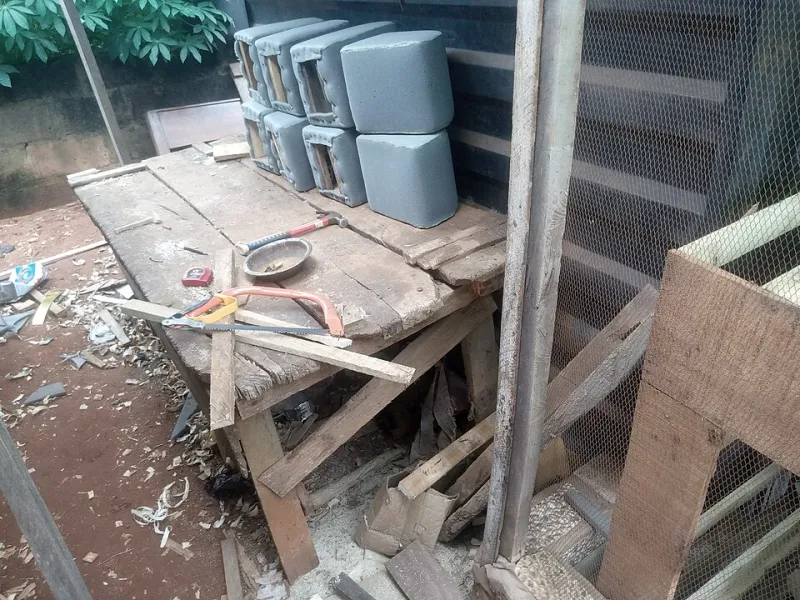
Photo: Onyebuchi Echezona, CC BY-SA 4.0, via Wikimedia Commons
A one-person workshop is a model of quiet efficiency until the person at its centre cannot work. In Somerset, where many craft, repair and trade businesses consist of a single experienced pair of hands, the winter months bring a familiar set of pressures: shorter days, colder workshops, seasonal illness and the ordinary accidents that occur when tired people lift, climb or carry. The result is not merely lost income. It is a queue of clients who may not know whether their job is safe, a diary of commitments that cannot be met and a set of tools and materials left mid-process without explanation.
The answer is not to pretend that every risk can be removed. No contingency plan can guarantee continuity for a business built around one person's skill. What a plan can do is reduce confusion, protect client relationships and make it more likely that work resumes safely. For Somerset's sole traders, winter cover should be short, written and tested before it is needed.
Name the stand-in before the absence
A plan that relies on an unnamed friend or a vague offer of help is not a plan. Sole traders should identify at least one person who could act as a named stand-in for basic matters: answering the telephone, receiving deliveries, explaining the situation to clients and securing the premises. This person need not be a qualified craftsperson. Their role is to hold the fort, not to finish the work.
For trades with genuine handover potential, a second name may be needed: a fellow practitioner who could complete or safely pause a job. That arrangement should be discussed in advance, with clear boundaries about what may be touched, what must wait and how any payment for cover will work. A written note in the workshop folder should record names, telephone numbers and the limits of authority. In towns such as Taunton, Bridgwater or Yeovil, a nearby competitor may be the most practical stand-in. The guild's role is to encourage that conversation without pretending it is always comfortable.
Put authority in one page
Clients and suppliers need to know who they are dealing with. A single-page authority note can state that a named person is authorised to receive calls, accept deliveries and provide updates during a period of absence. It should not purport to transfer professional responsibility or sign complex contracts. Where a business has an accountant, solicitor or insurer with particular requirements, those should be checked before any note is issued.
The note should be stored with the workshop's emergency information and shared only with the people who need it. It is not a substitute for a power of attorney, an insurance notification or a formal partnership arrangement. It is a practical courtesy that prevents a client from being met with a locked door and no explanation.
Tell clients early and plainly
Most clients respond well to a clear message delivered promptly. A short template can be adapted for telephone, email or a notice on the workshop door. It should explain the period of absence, what will happen to existing work and when a further update will be given. Avoid promising completion dates that cannot be controlled. Avoid blaming the weather, the supplier or the season in a way that sounds like an excuse. State the position, the next step and the contact for routine matters.
A useful structure is: thank the client for their patience; confirm that the job is recorded and secure; name the person who will provide updates; give a date for the next message; and explain how urgent safety matters should be raised. For heritage or repair work, it is particularly important to say whether the item is stored securely and whether any temporary protection has been put in place. A client who knows that a sash window is boarded or a piece of furniture is wrapped is far less anxious than one who has heard nothing.
Notify the insurer and read the conditions
Winter absence can affect insurance in ways that are not obvious. A workshop left unattended, a job paused mid-process or a third party entering the premises may all touch policy conditions. Sole traders should check what their insurer requires when the business is not operating normally. Notification may be necessary if the premises will be unoccupied for longer than the policy allows, if heating or water systems are at risk, or if a stand-in will have access.
This is not a task to leave until the first morning of illness. Keep the insurer's contact details with the contingency folder, note the policy number and record any instructions received. Where the business holds stock, materials or client property, confirm whether cover continues during a pause and whether additional security measures are required. The guild can point members towards general guidance, but each policy must be read on its own terms.
Make handover secure, not heroic
A secure handover protects the client, the stand-in and the absent trader. Every live job should have a simple job sheet: client name, contact details, brief description, materials, stage reached, next action, location of keys and any known risks. Photographs taken at the point of pause are often more useful than a long written description. Tools should be left in a safe condition, and hazardous materials should be stored according to their instructions.
Where a stand-in is not qualified to continue the work, the handover should say so clearly. The aim is to preserve the job, not to invite well-meaning interference. For work involving listed buildings, electrical systems, gas or structural elements, the correct answer may be to stop and wait for a competent person. A note that says do not proceed is a valid part of a contingency plan.
Organise neighbourly aid with boundaries
Somerset's trade community is good at informal help, but informal help can become unfair if it is expected without agreement. A guild-supported mutual aid arrangement should be modest and specific: a phone tree for checking on isolated sole traders, a list of people willing to receive deliveries, a shared understanding of who can secure a workshop and a clear rule that no one is obliged to complete another person's paid work. Mutual aid is not a substitute for insurance, employment or contract law, and it should not be presented as though it were.
The guild can help by keeping a voluntary contact list, encouraging neighbouring workshops to exchange emergency details and reminding members that a plan should be reviewed each autumn. It cannot remove the risk of a broken wrist in December or a chest infection in January. It can, however, make the difference between a quiet workshop and a silent one.
Review the plan before the frost
A contingency plan written in haste is better than none, but it should be reviewed while the workshop is calm. Check the names, numbers, insurer details and job sheets. Confirm that the stand-in still agrees to the role. Make sure the client template sounds like the business and not like a legal notice. Then put the folder where someone else can find it. The point of winter cover is not to deny that one pair of hands can be stopped. It is to ensure that when it is, Somerset's sole traders have left clear instructions for the people who depend on them.